 In recent years, one of the most significant shifts in sports media has come from a policy change that had little to do with cameras or broadcasting equipment. The introduction of Name, Image, and Likeness (NIL) rights for college athletes has fundamentally altered how photographs and video footage from collegiate sports can be used, licensed, and monetized.
Since the National Collegiate Athletic Association adopted NIL rules in 2021 following the landmark NCAA v. Alstondecision, college athletes have gained the ability to profit from their personal brand. While much of the early discussion focused on endorsement deals and social media sponsorships, the ripple effects have extended deep into sports photography and video licensing.
A New Layer of Rights in Sports Imagery
Before NIL reforms, most licensing agreements involving college sports images focused primarily on institutional rights. Universities, athletic departments, conferences, and media outlets typically controlled how photographs or video clips could be distributed or sold. Athletes themselves rarely had a say in how their likeness appeared in editorial or commercial uses.
Now, the presence of NIL rights adds another layer to the licensing equation.
Photographers covering games involving schools in the NCAA Division I system must increasingly consider whether an image could be interpreted as commercial use involving a specific athlete. While editorial usage—such as news coverage or sports reporting—generally remains protected, commercial licensing can become more complicated when a player’s identity is central to the image.
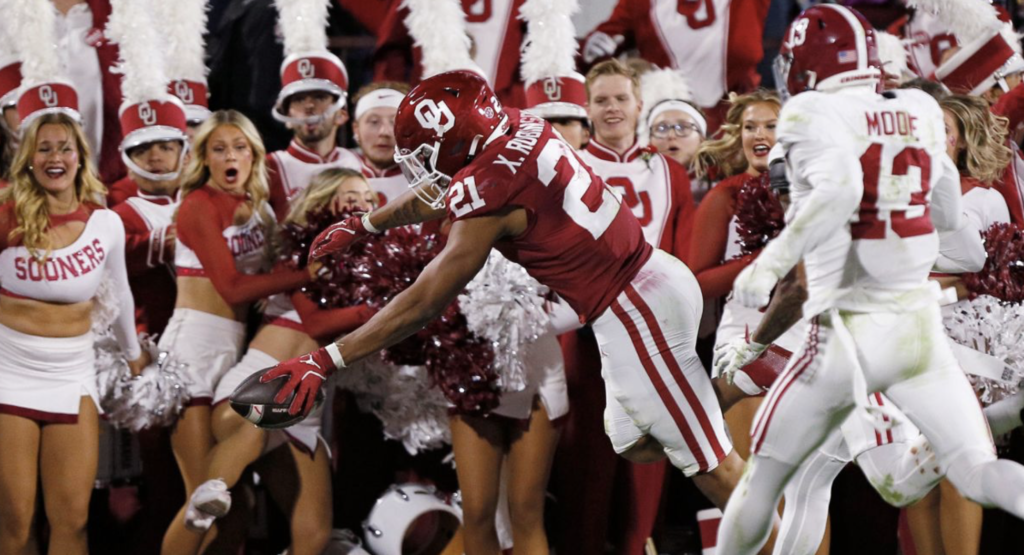
For example, a photograph of a quarterback celebrating a touchdown may previously have been licensed broadly for promotional sports content. Today, if that image is used in marketing or advertising materials, the athlete’s NIL rights could require separate permission or compensation.
Increased Demand for Athlete-Centered Content
Another shift is the growing demand for images and video clips featuring specific athletes rather than generic game action. With college players building personal brands on platforms like Instagram and TikTok, athletes often seek high-quality visuals for their own promotional use.
This has created a new market where photographers license images directly to athletes or their representation teams. Instead of selling only to publications or wire services, sports photographers are increasingly fielding requests from players looking for highlight shots, training footage, or promotional visuals tied to their NIL deals.
For many freelancers, this has opened an additional revenue stream—but one that requires careful licensing terms.
Editorial vs. Commercial Licensing Lines Blur
Traditionally, sports imagery fell neatly into two categories: editorial coverage and commercial marketing. NIL has blurred that distinction.
Consider a scenario in which a college basketball player featured in a game photograph later signs a sponsorship with a sportswear brand. If that same photo appears in a campaign highlighting the athlete’s performance, the usage could transition from editorial coverage into commercial promotion.
Organizations such as the Associated Press and major sports media outlets have begun refining internal guidelines for how images involving college athletes can be redistributed or sublicensed. This is particularly true for NCAA football and basketball photos.
For photographers working independently, the challenge is even greater. Contracts with universities, conferences, or media agencies may contain clauses governing NIL usage, athlete rights, and commercial distribution.
Video Footage Licensing Is Also Changing
The impact is not limited to still photography. Video footage licensing has seen similar adjustments.
Broadcast networks covering major college sports, particularly NCAA football and basketball, have traditionally maintained tight control over highlight footage. But NIL-era athletes frequently want access to clips for social media, brand partnerships, or promotional content.
Leagues and broadcasters must now balance media rights agreements with athlete-driven branding opportunities. The result is a growing ecosystem of short-form highlights, behind-the-scenes content, and athlete-focused clips that circulate outside traditional broadcast licensing structures.
A Shift for the Sports Media Economy
Major college conferences and media partners, including networks connected with the College Football Playoff and other marquee events, are continuing to evaluate how NIL influences media rights. While television broadcast deals remain largely unchanged, the licensing of secondary content—photos, social clips, and digital highlight footage—has become more complex.
Sports media analysts say the changes mirror broader trends across professional leagues, where athletes have long leveraged personal branding opportunities. NIL effectively brought that dynamic to the college level.
What Comes Next
As NIL policies continue to evolve, the sports photography and video licensing landscape will likely keep shifting alongside them. Photographers, media outlets, and licensing platforms are adapting to a reality where athletes themselves are now stakeholders in how sports imagery is distributed.
For professionals working in sports media, understanding NIL implications has become almost as important as knowing the difference between editorial and commercial licensing. In an era where a single image can fuel both a news story and a personal brand campaign, the legal and financial stakes surrounding sports visuals have never been higher.