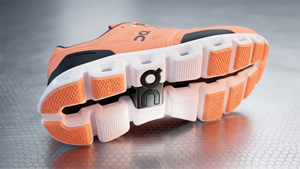
Nike (NYSE: NKE) enters 2026 at a critical juncture. After reaching a historic peak in 2021, the company faced a grueling 2024 and 2025 characterized by slowing demand for its lifestyle "franchise" models (like the Dunk and Air Jordan 1) and intense pressure from agile newcomers like On Holding and Hoka. However, the stock’s performance today reflects growing optimism surrounding the leadership of CEO Elliott Hill and the highly anticipated launch of the "Nike Mind" footwear line—a sensory-tech platform released just this week. As the global leader in athletic apparel and footwear, Nike’s ability to reclaim its "cool factor" while optimizing its supply chain is the central theme for investors in 2026.
Historical Background
Nike’s journey began in 1964 as Blue Ribbon Sports, founded by Phil Knight and Bill Bowerman. Originally a distributor for Japanese shoemaker Onitsuka Tiger, the company rebranded as Nike in 1971, adopting the iconic Swoosh logo designed by Carolyn Davidson. Bowerman’s "waffle iron" sole revolutionized traction for runners, setting the stage for decades of innovation.
The company went public in 1980 and soon became a cultural phenomenon. Through the 1980s and 90s, Nike redefined sports marketing by signing Michael Jordan, giving birth to the Jordan Brand, and launching the "Just Do It" campaign. Over the decades, Nike expanded through strategic acquisitions (including Converse) and technological breakthroughs like the Air Max and Flyknit, transforming from a simple shoe company into a global symbol of athletic achievement and lifestyle fashion.
Business Model
Nike operates a multi-faceted business model centered on three primary segments: Footwear, Apparel, and Equipment.
- Revenue Sources: Footwear remains the engine, accounting for over 60% of total revenue. The Jordan Brand operates as a distinct, high-margin powerhouse within the portfolio.
- Distribution Channels: Historically, Nike relied on wholesale partners. Under the "Consumer Direct Acceleration" strategy (2020–2024), it pivoted aggressively toward Nike Direct (DTC) and digital sales. However, as of late 2025, the company has recalibrated to a "wholesale-plus" model, re-establishing deep ties with retailers like Foot Locker and Dick’s Sporting Goods to ensure broad market availability.
- Customer Base: Nike targets everyone from elite athletes to casual "athleisure" consumers, with a growing focus on Gen Z and wellness-oriented demographics.
Stock Performance Overview
The last five years have been a roller coaster for NKE shareholders:
- 1-Year Performance: Nike has rebounded significantly, gaining approximately 28% throughout 2025 as the "Great Reset" strategy took hold.
- 5-Year Performance: The stock remains below its 2021 all-time highs of $166. After a disastrous June 2024, where the stock suffered a 20% single-day drop, the 5-year return has been a modest recovery story.
- 10-Year Performance: Despite recent volatility, Nike remains a long-term compounder, outperforming many traditional retail peers thanks to its massive scale and brand equity.
Financial Performance
Nike’s most recent financial reports indicate a stabilization of its fundamentals. In the first quarter of fiscal 2026 (reported in late 2025), Nike beat analyst expectations with revenue of $11.72 billion.
- Margins: Gross margins, which had dipped toward 40% due to heavy discounting in 2024, have climbed back to 42.5% as inventory levels normalized.
- Earnings: EPS of $0.49 in the most recent quarter significantly exceeded the $0.32 consensus, driven by aggressive cost-cutting and a 7% surge in wholesale revenue.
- Balance Sheet: With roughly $7.7 billion in inventory, Nike is in its cleanest position in three years, allowing for full-price selling of new innovations.
Leadership and Management
The 2024 appointment of Elliott Hill as CEO marked a return to Nike’s roots. A 32-year veteran of the company, Hill replaced John Donahoe, whose tech-heavy, DTC-first approach was blamed for alienating wholesale partners and stifling creative innovation. Hill’s "Win Now" strategy focuses on "returning sport to the center" of the brand. This leadership change has been credited with restoring morale at Nike’s Beaverton headquarters and mending fractured relationships with key retail accounts.
Products, Services, and Innovations
Nike’s competitive edge has always been its R&D. In 2026, the company is doubling down on "Performance-First" products:
- Nike Mind: Launched on January 1, 2026, this new footwear platform uses haptic feedback and sensory technology to aid in athlete recovery and mental focus.
- Cushioning Revolution: The Pegasus 41 and Vomero 18 have been praised by the running community for returning to the "comfort and bounce" that Nike was known for before the Hoka/On disruption.
- Digital Ecosystem: The Nike Run Club and SNKRS apps remain the gold standard for brand engagement, boasting over 150 million active members.
Competitive Landscape
Nike remains the dominant market share leader, but the landscape is more crowded than ever.
- The "Speedster" Brands: On Holding (NYSE: ONON) and Hoka (part of Deckers Brands, NYSE: DECK) have captured the premium running market.
- Legacy Rivals: Adidas (OTC: ADDYY) has seen a resurgence in its "Originals" line (Samba, Gazelle), challenging Nike’s lifestyle dominance.
- Regional Threats: In China, Nike faces fierce competition from Anta Sports and Li-Ning, who benefit from the "Guochao" trend (favoring local brands).
Industry and Market Trends
The "Wellness-Tech" era is the primary driver of the athletic sector in 2026. Consumers are moving away from purely aesthetic "retro" sneakers toward shoes that offer tangible health benefits, such as improved posture or recovery. Additionally, the shift toward "Omnichannel" shopping—where consumers research online but buy in-store—has forced Nike to reinvest in physical retail experiences.
Risks and Challenges
- Geopolitical Exposure: Nike’s heavy reliance on Greater China for growth remains a double-edged sword, subject to both regulatory shifts and consumer sentiment.
- Brand Dilution: Over-saturation of certain models (like the Dunk) led to a loss of exclusivity in 2024. Nike must carefully manage "scarcity" in 2026 to avoid another inventory glut.
- Macro Factors: Persistent inflation in labor and raw material costs (rubber, textiles) could squeeze margins if Nike cannot maintain premium pricing power.
Opportunities and Catalysts
- 2026 FIFA World Cup: With the tournament being hosted in North America, Nike is expected to launch a massive marketing blitz, capitalizing on its jersey sponsorships.
- AI-Driven Design: Nike is increasingly using generative AI to shorten the product development cycle from 18 months to under 6 months, allowing it to respond faster to viral trends.
- Emerging Markets: Beyond China, Nike sees significant runway in India and Southeast Asia, where middle-class sports participation is skyrocketing.
Investor Sentiment and Analyst Coverage
Wall Street has turned cautiously bullish on Nike. Following the 4.12% jump today, several major investment banks, including Goldman Sachs and Morgan Stanley, reiterated "Buy" or "Overweight" ratings. Analysts cite the successful transition to CEO Elliott Hill and the stabilization of the China business as key reasons for the upgrade. Sentiment on social media platforms remains high, particularly among retail traders who see Nike as a "undervalued legacy giant" finally finding its footing.
Regulatory, Policy, and Geopolitical Factors
Nike continues to navigate complex international trade laws. Proposed tariffs on footwear manufactured in Vietnam (where Nike produces a large portion of its shoes) represent a persistent risk. On the sustainability front, Nike’s "Move to Zero" initiative is under scrutiny by EU regulators, requiring more transparent reporting on recycled materials and carbon footprints in the supply chain.
Conclusion
Nike enters 2026 with a renewed sense of purpose. The 4.12% stock surge today is more than just a daily fluctuation; it is a vote of confidence in a brand that has spent the last 18 months listening to its critics. By pivoting back to its performance roots, mending its wholesale relationships, and introducing game-changing technology like "Nike Mind," the company is proving that it can evolve without losing its soul. For investors, the "new Nike" offers a compelling blend of legacy stability and turnaround growth potential, though the competitive pressures of the late 2020s will require the Swoosh to remain as agile as the athletes it serves.
This content is intended for informational purposes only and is not financial advice.